

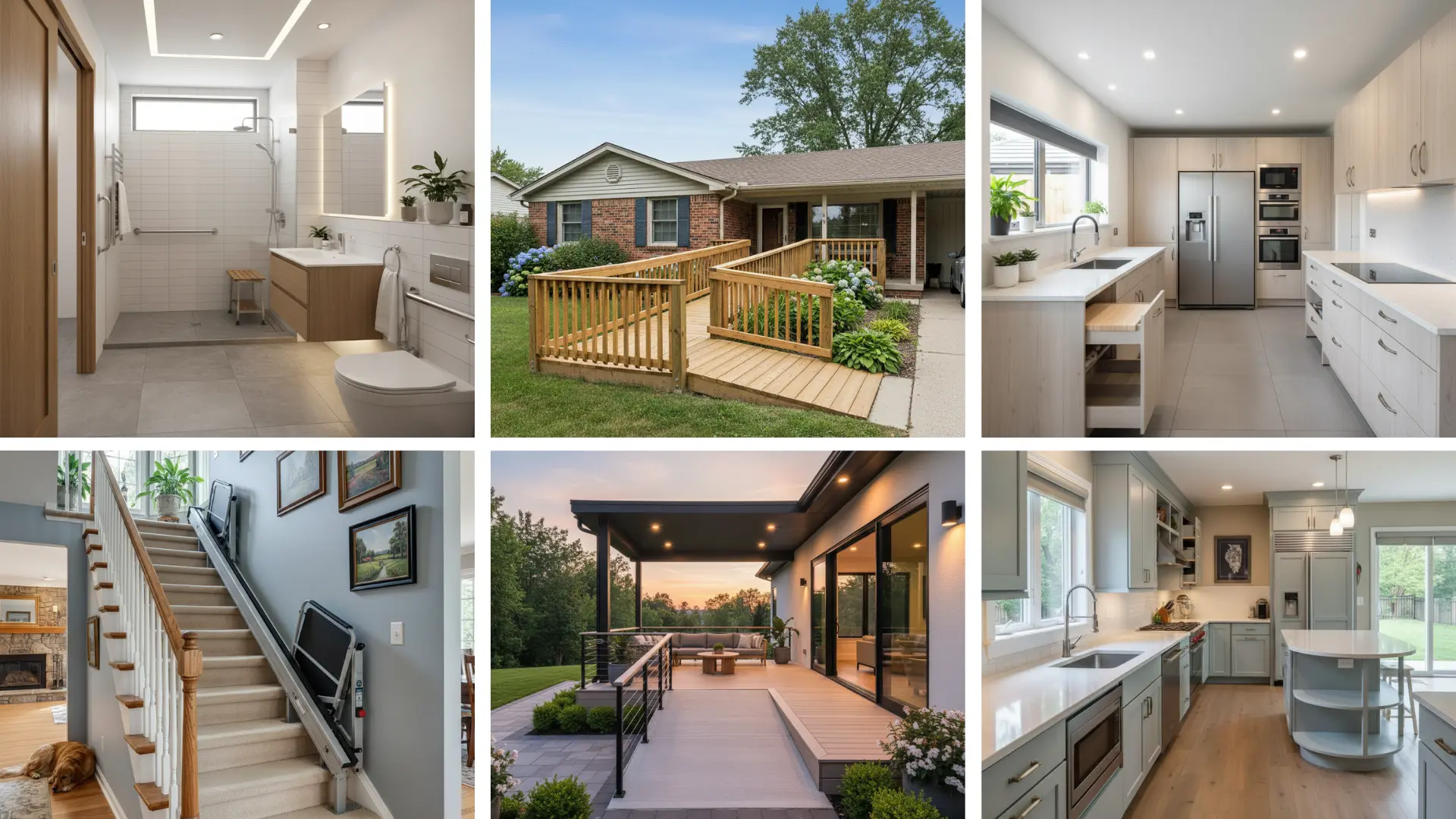
Aging in place means making a home safer and easier to use as needs change. In Illinois, funding depends on the homeowner’s age, income, diagnosis, municipality and the type of work planned. This guide explains what is available now, what is only proposed and where to start.
A proposed federal credit has attracted attention, but it cannot help with a project this year. The practical options below are the ones Illinois homeowners can investigate today. If you are planning aging-in-place home modifications in Chicagoland, the funding path usually starts with one of them.
What is the Senior Accessible Housing Tax Credit Act of 2026?
The proposal would create a nonrefundable federal credit for homeowners age 60 and older who pay for qualifying accessibility work. Senate bill S. 5216 and House bill H.R. 9554 remain in committee. If enacted, the earliest tax year would be 2027.
- Up to $10,000 per tax year, limited by qualifying spending and tax owed
- Age 60 by the end of the tax year; one qualifying spouse can qualify a joint return
- Income phase-outs above $200,000 joint, $150,000 head of household or $100,000 other returns
- Labor, preparation, assembly and original installation are included
Named improvements include ramps, widened doorways, grab bars, slip-resistant flooring, tub cuts, shower seats, chair lifts, furniture risers and replacement bathroom fixtures. Most of this list overlaps with the scope of accessible bathroom remodeling, such as walk-in showers, grab bars, and widened door openings.
How much would the credit actually save?
A nonrefundable credit can reduce federal income tax to zero, but it cannot create a refund beyond the tax owed. A household with $6,100 of federal tax and $18,000 of qualifying work would not receive $10,000; its practical maximum would be $6,100, subject to the bill’s other limits.
What can you claim on your taxes right now?
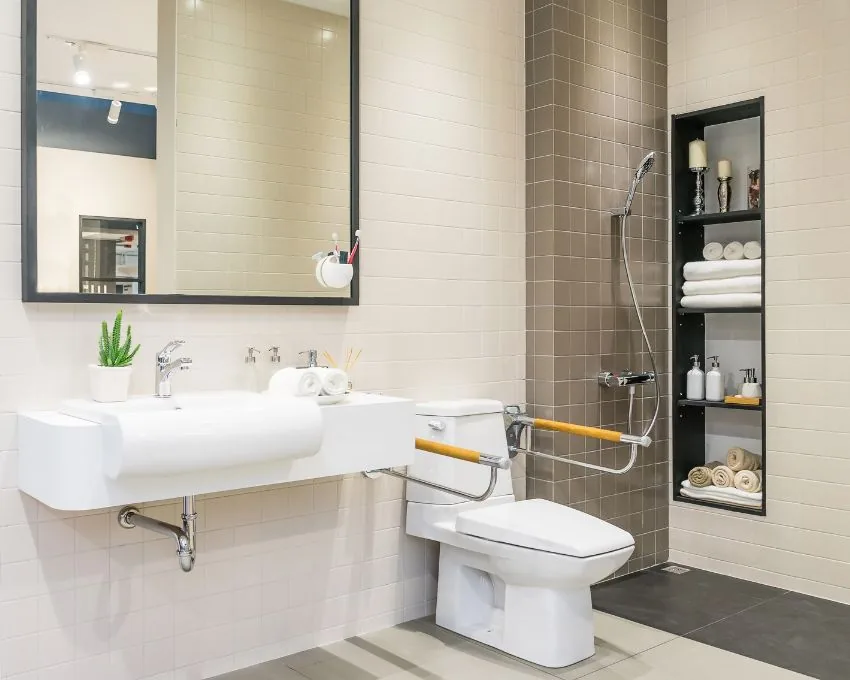
Medically necessary modifications may be treated as medical expenses once total medical expenses exceed 7.5% of adjusted gross income. The IRS Publication 502 home-improvement rules list examples that generally do not add value:
- Entrance and exit ramps, widened doorways and halls
- Railings, support bars, grab bars and handrails
- Modified bathrooms, kitchens, cabinets and equipment
- Relocated electrical outlets, fixtures and door hardware
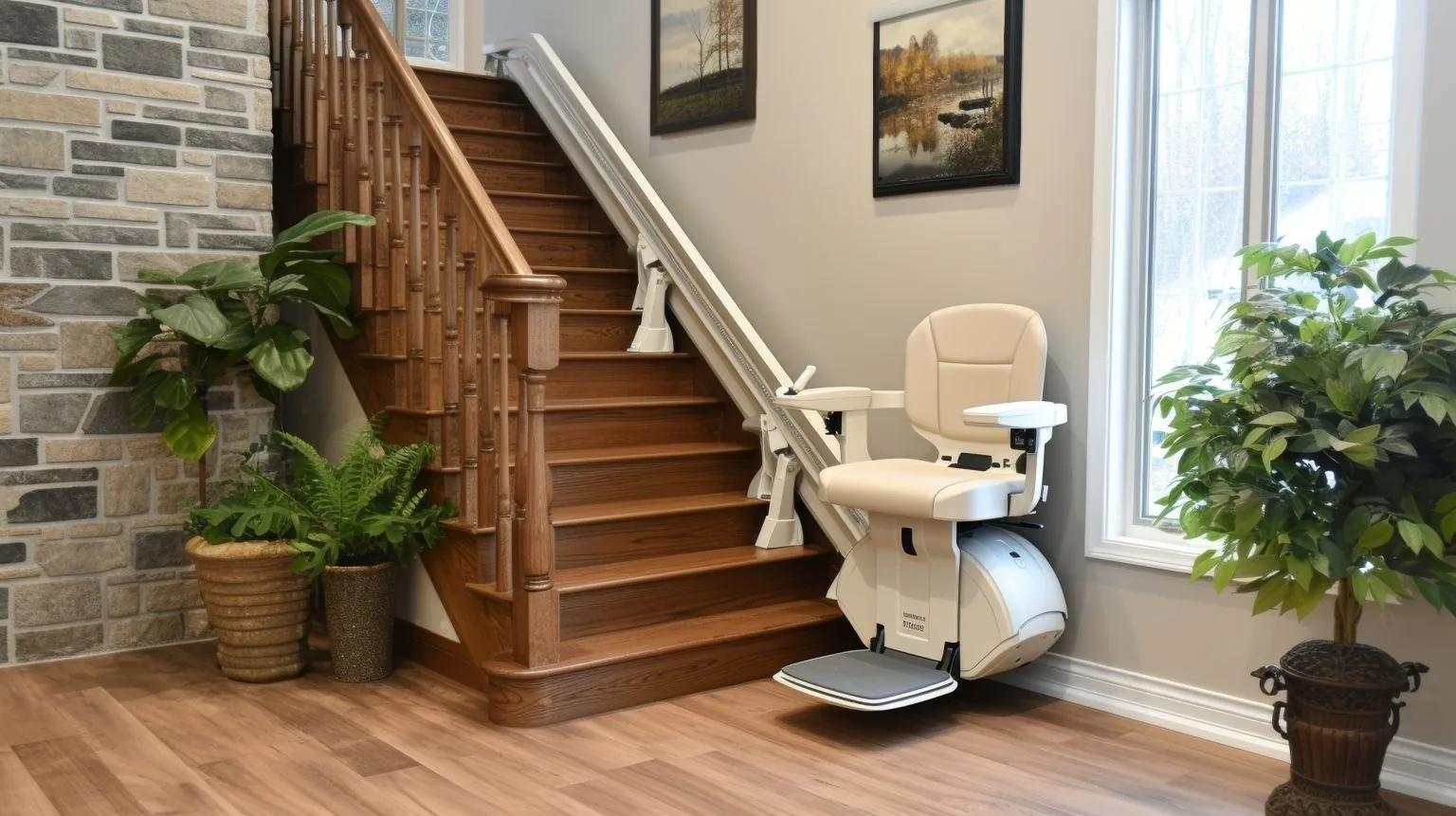
- Porch lifts, stair lifts and other lifts
- Modified alarms, warning systems and entrance areas
- Ground grading for easier access
Keep a doctor’s or occupational therapist’s letter connecting the work to a diagnosis with your project records. Ask a qualified tax professional to confirm your individual situation.
What does Illinois pay for?
The Illinois Housing Development Authority does not pay individual homeowners directly. Funding moves through local grantee agencies, and demand can exceed available funding.
Home Repair and Accessibility Program
The IHDA Home Repair and Accessibility Program is scheduled to run through spring 2027. Common requirements include household income at or below 80% of area median income, an owner-occupied home and a current mortgage. There is no general age requirement. Pre-1978 homes may require lead-safe practices.
Illinois Homeowner Assistance Fund Home Repair Program
This program also works through local grantee agencies. Published caps have changed, so ask the agency serving your address for the current limit, eligible work and application status.
Why does Illinois Medicaid stop covering modifications at 60?
The Persons with Disabilities Waiver generally requires a new applicant to be under 60. Turning 60 does not end benefits for someone already enrolled, but a new application after 60 is outside that waiver’s rule. The Community Care Program serves residents 60 and older with in-home services, but home modifications are not its standard benefit.
What help is available in Chicago and the suburbs?
Chicago’s SARFS program closed to new applicants in December 2022. The Mayor’s Office for People with Disabilities has an open program with an 80% area-median-income limit; confirm current rules directly with the office.
Suburban assistance is usually administered by individual municipalities through Community Development Block Grant funds. Ask your village or township:
- What is the current loan or grant cap?
- Are ramps, zero-step entries and bathroom modifications eligible?
- Is assistance a grant, deferred loan or forgivable loan?
AgeOptions can help suburban Cook County residents identify the appropriate local agency. The Illinois Senior HelpLine is another place to start if you are not sure which agency serves your address.
Property-tax relief is easy to overlook
Illinois does not offer a statewide construction credit specifically for accessibility work, but exemptions can reduce the property-tax bill. In Cook County, the Senior Citizens Homestead Exemption reduces equalized assessed value by $8,000 at age 65, and the Persons with Disabilities Homestead Exemption reduces it by $2,000. The Senior Citizens Assessment Freeze is also worth checking. Reapply annually.
Frequently asked questions
Does Medicare pay for home modifications?
Original Medicare generally covers durable medical equipment, not construction such as grab bars or a walk-in shower. Some Medicare Advantage plans offer limited home-safety allowances.
Can veterans get help paying for accessibility modifications?
Yes. VA programs can be substantial for eligible service-connected disabilities. The Home Improvements and Structural Alterations grant may be relevant for bathroom projects; confirm current amounts with the VA.
Do I need a permit for a ramp or bathroom conversion in Illinois?
Usually. The municipality issues the permit, and requirements vary. Exterior ramps, structural changes and plumbing or electrical work commonly require permits and inspections.
What if I do not qualify for any program?
Many homeowners use the medical-expense rules, private financing or a phased project. A shower conversion this year and a zero-step entry next year can be easier to fund than one large project. See EcoBuild Plus financing options if no program applies to your situation.
Planning an accessible remodel?
EcoBuild Plus builds accessible bathrooms and kitchens, barrier-free entries and wider doorways across Chicago’s north and northwest suburbs. If the plan calls for more space rather than reconfiguring it, see home additions for aging in place.
Important: Program rules, income limits, funding caps and tax guidance can change. Verify current eligibility with the relevant agency and a qualified tax professional.