


Home - Architecture & Building - Masonite Siding: Benefits, Styles & Maintenance [Comprehensive Guide]
Masonite Siding: Benefits, Styles & Maintenance [Comprehensive Guide]
May 15, 2023
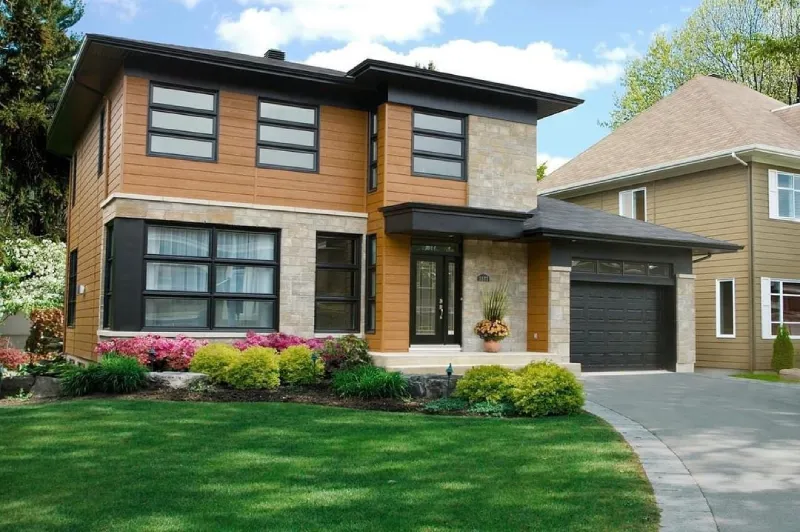
In the early 80s, Masonite siding made a significant impact on
the siding market, introducing a fresh and innovative look along
with its unique set of benefits.
This material, also referred to as pressboard or hardboard,
provided homeowners with the advantages of customization and a
uniform exterior appearance that suited various architectural
styles.
Although it’s no longer as widely popular as it once was, many
homeowners continue to utilize Masonite siding in modern times.
In this article, we will delve into the world of siding,
exploring its composition, advantages, installation process,
maintenance requirements, and more.
What Is Masonite Siding?

Masonite siding is a form of engineered wood hardboard siding crafted from a mixture of resin and wood chips, closely resembling fiberboard wood.
Its inception aimed to offer homeowners the authentic
appearance of real wood without the associated expenses and
maintenance requirements.
The term “masonite siding” serves as a broad descriptor for
hardboard siding, yet it carries a more specific historical
connotation. It was initially linked to a company known as
Masonite, which was a prominent producer of these sought-after
boards.
Typically, Masonite board manufacturers use sustainable
materials, such as responsibly sourced wood fibers, obtained
from managed forests. It reduces the need for frequent
replacements, making it an eco friendly siding and conscious
choice.
Today, a diverse array of Siding types and styles is readily
available in the market, meeting a wide range of aesthetic
preferences and functional requirements.
Siding Styles

- Smooth: This type features a sleek and uniform surface, providing a modern and clean look to the exterior of a home. It can be painted in a wide range of colors, allowing the customization to suit individual preferences.
- Wood-Textured: Designed to mimic the appearance of natural wood, this type of siding offers a warm and rustic charm. It provides the aesthetic appeal of wood without the maintenance challenges associated with it.
- Stucco-Textured: It replicates the texture and appearance of stucco, a popular exterior finish. With a unique visual dimension to a home’s exterior, offering the durability and benefits of Masonite.
- Lap Siding known as horizontal siding, consists of long, horizontal boards that overlap each other, creating a classic and timeless look for residential properties.
- Panel siding comes in large sheets or panels, offering contemporary and sleek appearance to the exterior of a building. It can be installed vertically or horizontally, providing flexibility in design options.
Note that Masonite siding is available in different thicknesses and dimensions, allowing for versatility in installation and design choices.
Common Masonite Siding Problems
Choosing Masonite siding? Watch out for these common problems:
- Pest Infestation: Termites, ants, and bees can burrow in. Look for mud tubes and hollow sounds.
- Warping: Water absorption can cause boards to bow and curve.
- Rotting: Overexposure to moisture can lead to swelling and rot. Check for soft spots.
- Mold Dampness can foster mold and mildew growth, potentially spreading beyond the siding.
If you want to build a house in Illinois, you need to consider more than just the structure. Here’s a cost breakdown per sq ft of home construction, including material cost, labor cost, and indirect costs that contribute to your total cost.
Benefits Of Masonite Siding
Masonite siding has several advantages worth considering:
- Affordability: It’s one of the most cost-effective siding options, often cheaper than fiber cement, brick, and even vinyl.
- Durability: The combination of wood fibers and resin binders, compressed under high pressure, creates a strong and sturdy material that can withstand various weather conditions and resist impact damage.
- Customizability: You can easily achieve your desired look with a variety of paint colors and finishes, allowing you to match your personal aesthetic.
- Crack Resistance: Engineered siding like masonite is highly resistant to cracking, thanks to its dense composition and the compression of wood fibers during manufacturing.
- Easy Installation: Masonite siding is known for its straightforward installation, requiring basic tools such as galvanized nails, a hammer, level, saw, and caulk.
- Weather Resistance: Masonite siding is engineered to be highly resistant to moisture, making it suitable for regions with high humidity or frequent rain.
- Low maintenance: It does not need regular painting or staining to maintain its appearance.
Masonite board doesn’t warp or rot like traditional wood
siding, providing long-lasting protection for your home. The
insulation properties of the siding help regulate the
temperature inside the house, reducing the reliance on
HVAC
systems. This can lead to energy savings and a comfortable
living environment.
The lifespan of masonite siding greatly depends on
maintenance. Neglect may result in around 20 years of
durability, while proper care can extend it to up to 40 years.
These qualities make it a compelling option for homeowners
seeking a reliable and aesthetically pleasing siding solution
for their homes.
How Is Masonite Siding Maintained?

For homeowners with masonite siding:
- Regularly inspect for damage and make prompt repairs.
- Gently hose down siding to prevent mildew.
- Repaint every 5 to 10 years for a fresh appearance.
- Ensure water sources like downspouts and sprinklers are away from the siding to minimize prolonged exposure.
For broader care strategies that extend beyond Masonite, check out our full guide on siding maintenance to ensure your home’s exterior remains in top shape year-round.
Cons Of Masonite Siding

Before choosing masonite siding, consider these drawbacks: Water Intrusion: The most significant concern is moisture damage. Improper caulking, installation, or constant water contact can lead to serious water intrusion issues, even affecting interior walls. Low Production: The discontinuation of Masonite Corporation’s production, due to a lawsuit, has somewhat tarnished the reputation of masonite siding. Finding these exterior boards may be more challenging, although other companies now manufacture them. Meticulous Upkeep: The threat of moisture damage demands meticulous maintenance. Regular siding inspections and quick repairs can be labor-intensive, making it less low-maintenance than many homeowners prefer.
Cost Of Masonite Siding
Masonite siding presents an attractive middle ground, frequently preferred over authentic wood due to its cost-effectiveness. Here’s a breakdown of the associated costs:
- Material Costs: Masonite siding typically ranges from $3 to $7 per square foot, making it a budget-friendly option for homeowners.
- Labor Costs: The labor expenses for installing Masonite siding can vary significantly, spanning from $3 to $14 per square foot, depending on factors such as location and complexity of the installation.
- Painting Costs: Additionally, it’s important to factor in the cost of painting the siding, which averages around $3,000, contributing to the overall affordability of this siding choice.
In summary, Masonite siding strikes a balance between cost and
aesthetics, offering a cost-effective alternative to real wood
siding while still providing an appealing appearance for your
home’s exterior.
Wood siding provides excellent insulation and a unique
aesthetic appeal. However, it demands regular maintenance,
including painting or staining to preserve its appearance and
protect it from rot or pests.
Furthermore, the siding’s versatility in design options and
customization allows homeowners to achieve their desired
architectural look and style.
Siding Contractor Chicago
In summary, James Hardie siding is a top choice thanks to its
eco-friendly durability and wide range of beautiful color options that suit any home style. It excels in durability, weather
resistance, low maintenance, and design flexibility,
surpassing vinyl, wood, and fiber cement.
When deciding on siding for your home, it’s crucial to
consider specific factors. These include your budget, local
climate conditions, desired aesthetics, and long-term
maintenance requirements. Ultimately, your choice should align
with your preferences and your home’s unique needs. When it
comes to finding a siding contractor Chicago consider EcoBuild Plus. Ensure that your decision is
well-informed, guaranteeing your satisfaction for years to
come. Your home deserves a siding solution that combines
durability, aesthetics, and practicality.
Frequently Asked Questions
How is caulk applied to masonite siding?
To caulk (or re-caulk) masonite siding:
- Use a high-quality latex caulk designed for outdoor use.
- Thoroughly apply caulk to all visible cracks and seams, ensuring comprehensive coverage to safeguard against rot and mold.
- Pay particular attention to areas where siding boards meet trim pieces.
- Remember, caulking is a crucial defense against water intrusion, so it’s not a step to skimp on. Prioritize thorough caulking to protect your siding effectively.
What are common issues with Masonite siding?
If not maintained or installed correctly, common issues that
may arise include the risk of rot or water damage.
Regular inspections and prompt repairs can help address such
issues and prevent further damage.
Can Masonite siding be repaired if damaged?
Indeed, if Masonite siding sustains damage, it can undergo
repairs.
The extent of the damage determines whether specific
sections of the siding need replacement to restore its
integrity and appearance.
It is advisable to consult with professionals for complex
repairs or extensive damage.
Is Masonite siding environmentally friendly?
Masonite siding utilizes sustainable materials, including
responsibly sourced wood fibers from managed forests.
Its long lifespan also reduces the need for frequent
replacements, making it an environmentally conscious choice.
Where to buy Masonite siding?
Masonite siding is available at major home improvement
retailers like Lowe’s and Menards. Currently, it remains
accessible under the name “Masonite board” although it is
still commonly referred to as Masonite. Call your local
store to check for product availability.
Is Masonite same as vinyl?
Hardboard, commonly known as “Masonite board” emerged as a
siding option intended to provide an alternative to real
wood or vinyl siding.
It is made from a mixture of wood chips and resin, and it
looked more like natural wood than vinyl.
Can you put vinyl siding over Masonite siding?
Installing vinyl siding over Masonite should be avoided.
Certain vinyl siding replacement companies may opt to
directly attach the new vinyl to the existing Masonite
siding, which can lead to future complications.
Not sure where to start? EcoBuild Plus can help you choose
and install the right siding for your home.